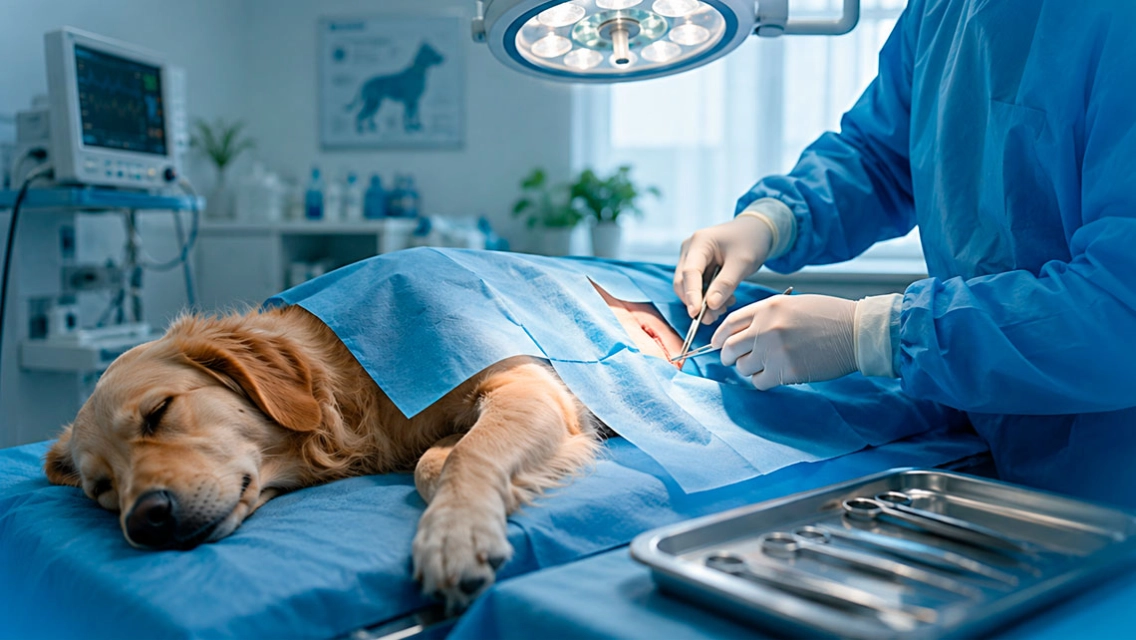
Dog sterilization in Moldova
Dog sterilization (neutering/spaying) is a planned surgical procedure designed to terminate the animal's reproductive capacity. Performing this surgery not only prevents unwanted offspring, but also significantly reduces the risk of dangerous conditions such as mammary tumors, pyometra (purulent uterine infection), prostate adenoma, and ovarian cysts.
Additionally, regulating hormonal balance helps improve pet behavior: reducing aggression, stopping escape attempts, territory marking, and hyperactivity during heat periods.
Read moreCollapse
The BigBoss.md business directory provides a comprehensive database of specialized veterinary clinics, centers, and qualified veterinarians in Moldova performing spaying and neutering for dogs of all breeds and ages.
In the directory, you can easily find veterinary clinics offering a full range of dog sterilization services:
- Spaying of females (ovariectomy and ovariohysterectomy);
- Neutering of males (including cryptorchidism cases);
- Minimally invasive (laparoscopic) spaying via micro-incisions;
- Pre-operative examination (cardiac ultrasound, blood tests);
- Post-operative inpatient care and medication support.
Thanks to BigBoss.md, you can choose a suitable veterinary clinic in Chisinau, Balti, Comrat, and other cities in Moldova, find contact details, check working hours, and book an appointment for your pet.
Frequently Asked Questions
At what age is it best to sterilize a dog?
The optimal age for most breeds is between 6 and 12 months (preferably before the first heat cycle in females or during puberty in males). For large and giant breeds, the operation is often performed closer to 12–18 months, once the musculoskeletal system is fully developed.
What is the difference between laparoscopic and traditional spaying?
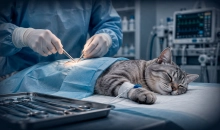
Traditional surgery involves a standard abdominal incision, whereas laparoscopic spaying uses 2–3 micro-incisions to insert a camera and surgical instruments. The minimally invasive method ensures minimal tissue trauma, fewer stitches, and faster recovery (literally in 1–2 days).
Does a dog need preparation prior to surgery?
Yes, the procedure is performed under general anesthesia. Fasting for 8–12 hours and restricting water 2–3 hours prior to surgery is mandatory. Veterinarians also recommend undergoing a pre-operative echocardiogram (heart ultrasound) and basic blood tests.
How should a dog be cared for after spaying/neutering?
During the first 7–10 days, the dog must wear a protective surgical suit or an e-collar to prevent licking the stitches. It is necessary to restrict active jumping and running, and to treat the surgical wound with antiseptic solutions as prescribed by the vet.